
Reviewed · WHALE AND DOLPHIN WATCHING IN MADEIRA
Caniçal : Madeira Whale Museum Entry ticket
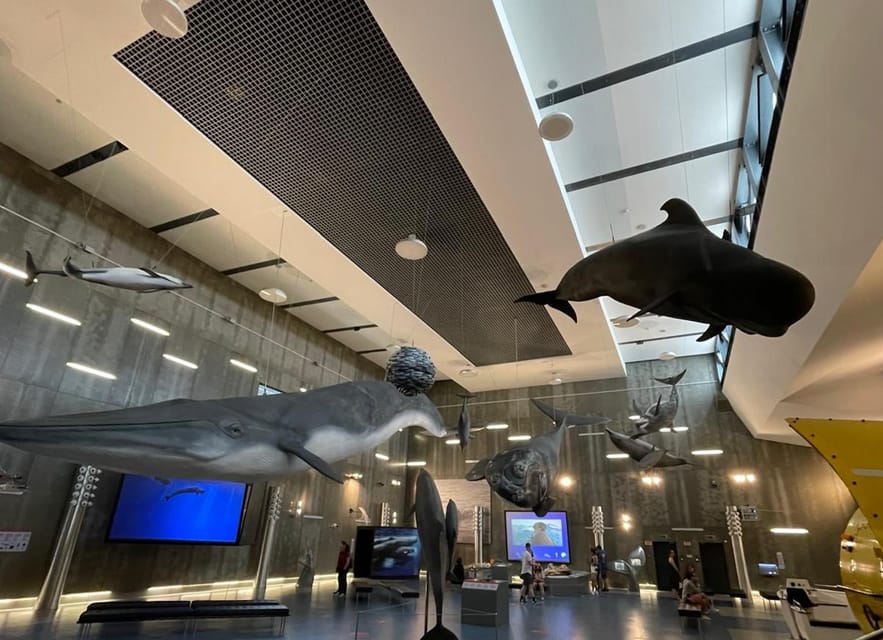
Caniçal’s Madeira Whale Museum turns Madeira’s ocean story into something you can see at close range. Life-size whales and dolphins hang through the galleries, while stereoscopic 3D films bring the sea’s biggest animals right into your field of view. You also get a clear look at how whaling shaped this fishing town during the 20th century.
I like the mix of old and new here: traditional tools and personal records sit alongside modern marine research. I also like the practical audio guide, available in English, French, German, Portuguese, and Spanish.
The main consideration is simple: this is a museum visit, not a whale-watching cruise. If you want animals in the open sea, you will need a separate boat trip. The museum gives you context, history, and conservation work instead.
Key points to know before you go
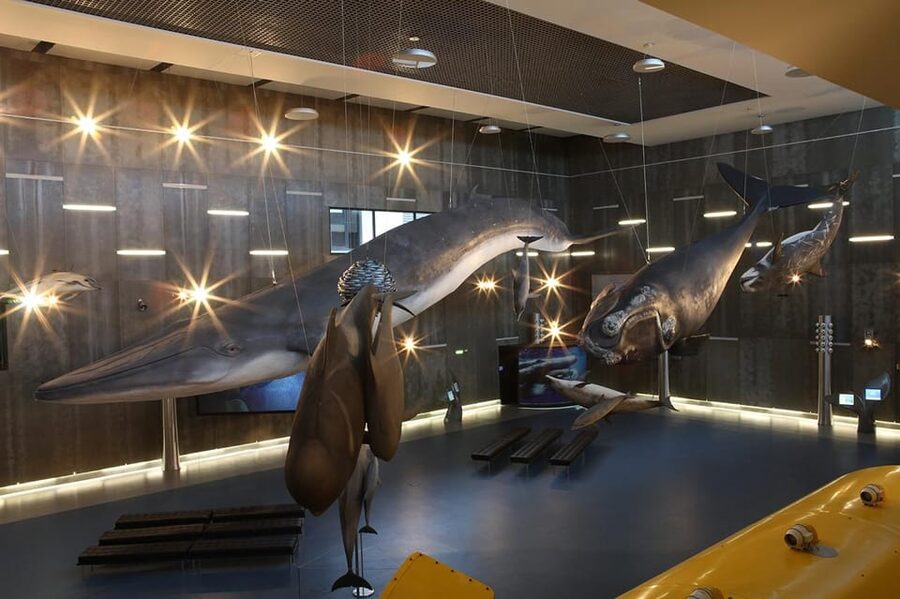
- Life-size whales and dolphins fill the galleries, giving you a strong sense of the scale of these animals.
- Stereoscopic 3D films bring marine life into focus, adding a visual layer beyond ordinary display cases.
- Madeira’s 20th-century whaling story is explained through real objects, tools, records, and personal recollections.
- An audio guide comes in five languages, so you can explore at your own pace.
- The museum supports marine research and conservation, linking the past with the future of Madeira’s waters.
- The $11 ticket is valid for one day, with a temporary exhibition included.
Caniçal and the Madeira Whale Museum
The museum is in Caniçal, a fishing town within the municipality of Machico. That setting matters. You are not looking at Madeira’s maritime past in an unrelated city gallery. You are visiting a place tied closely to the island’s fishing and whaling traditions.
The Madeira Whale Museum opened in 1990 and moved to its current modern facility in September 2011. Its purpose is broader than displaying whale models. It tells how people in Madeira worked with the sea, how whaling affected local life, and why the ocean now needs careful protection.
I find the museum’s basic idea useful for first-time visitors: the sea is not treated as a distant backdrop to island life. It is the central subject. You see how ocean wildlife, local work, scientific study, and conservation all connect.
The visit is self-guided, so you can set your own pace. You are not tied to a named guide or a fixed group schedule. That works well if you want to stop often, listen closely to the audio, or move more quickly through sections that interest you less.
More Whale and Dolphin Watching in Madeira
- From Funchal: Ecological Catamaran Dolphin Whale Watching
★ 4.5 · 5,771 reviews - Funchal: Dolphin and Whale Watching Catamaran Cruise
★ 4.5 · 5,697 reviews - Funchal Bay: Dolphin & Whale Watch Luxury Catamaran Cruise
★ 4.2 · 2,684 reviews
Start with Madeira’s whaling past
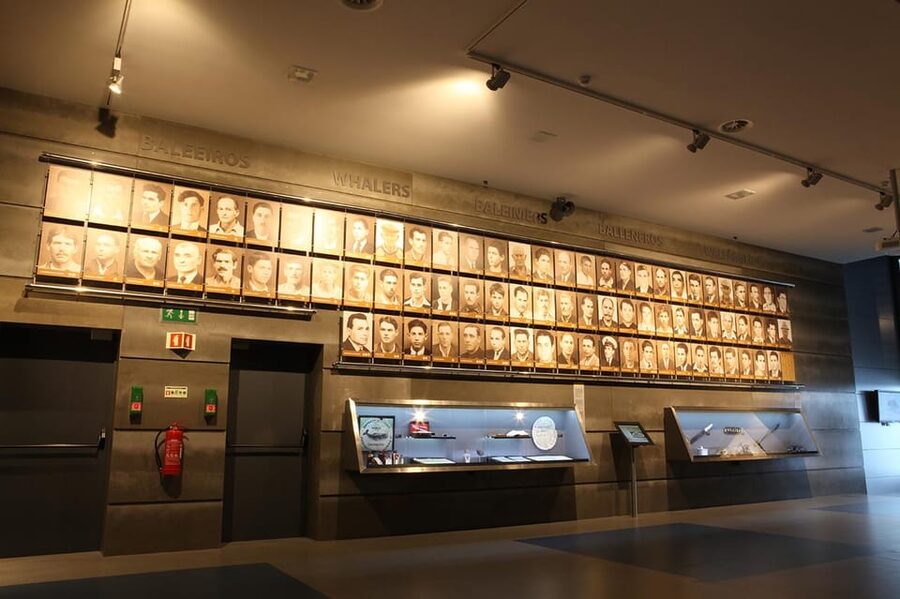
The museum’s ethnographic collection provides the historical core of the visit. It includes traditional tools, personal recollections, and detailed records connected with whaling in Madeira during the 20th century.
These objects help explain whaling as a local activity rather than reducing it to a simple good-versus-bad story. You see the work, equipment, and human experiences behind the industry. That context is important because the museum also asks you to think about the changes needed to protect marine life today.
I appreciate this kind of honest presentation. It recognizes the place whaling once held in Madeira’s economy and culture, while also showing why whales and dolphins need protection. You get a more useful picture than a display that simply celebrates old tools or condemns the past without explaining it.
The personal recollections are especially valuable. A tool tells you what was used. A firsthand memory helps show what the work meant to people and communities. Together, the records and objects create a clearer link between Caniçal’s fishing identity and the wider waters around Madeira.
Looking up at the whale and dolphin models
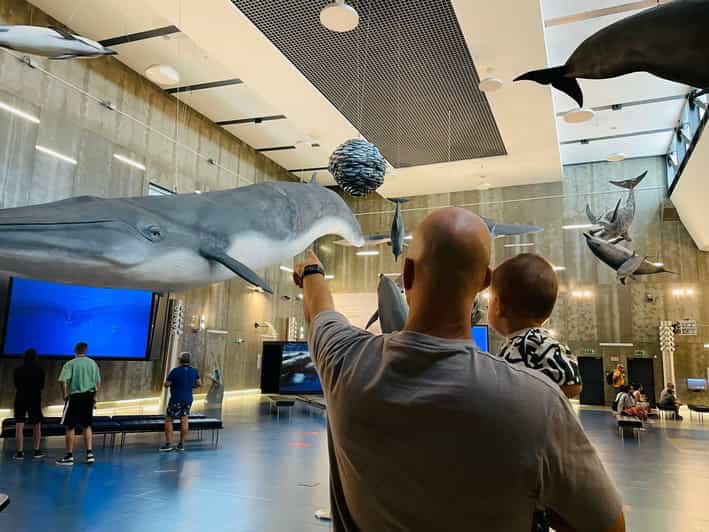
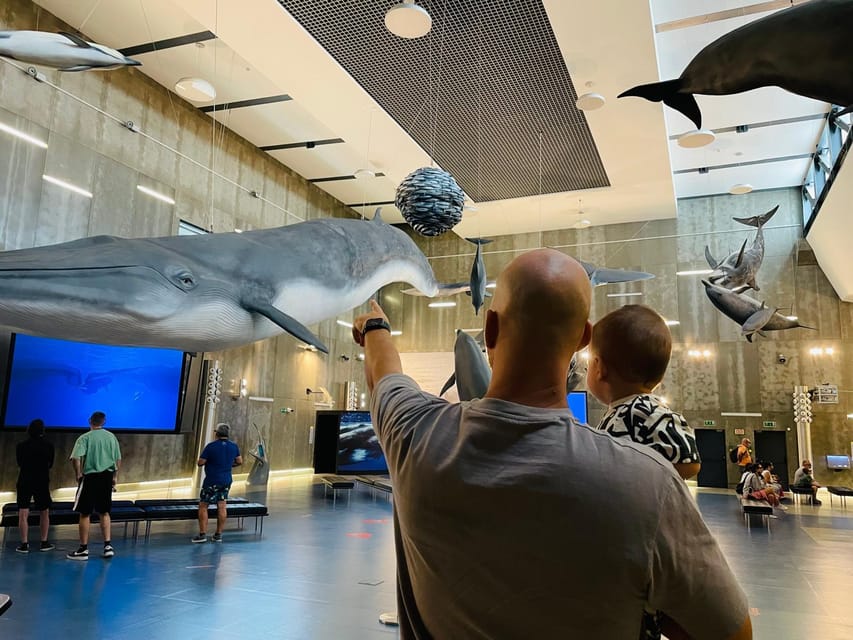
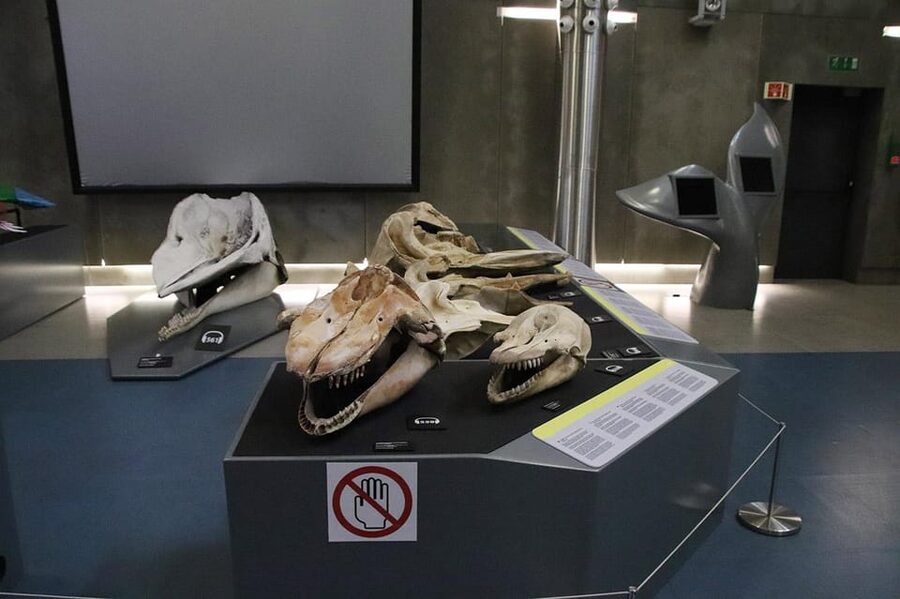
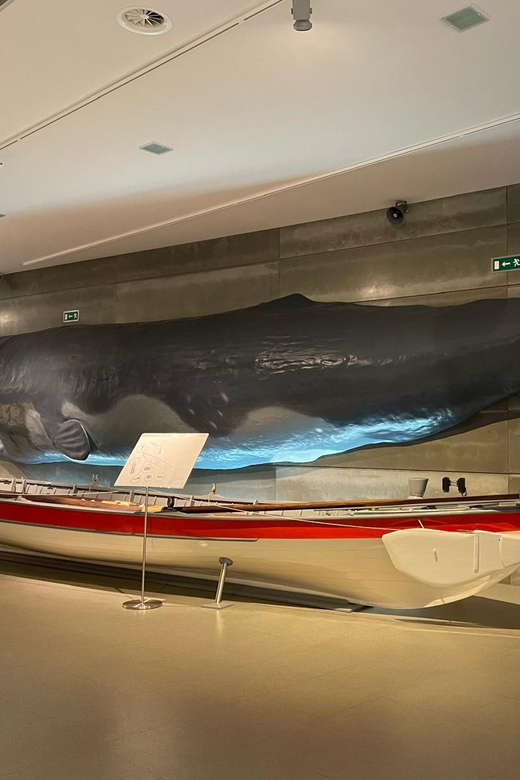
The large animal models are among the museum’s most memorable features. They are designed to appear as if whales and dolphins are moving through the building, giving you a physical sense of their size.
That scale changes how you understand these animals. A photograph can show a whale, but a full-size model makes you look up, measure the body with your eyes, and notice how much space a single animal occupies. For children, this can make the subject easier to grasp. Adults will also find the models useful because they turn abstract facts into something physical.
The models are not the whole visit, and that is a good thing. They act as visual anchors between the historical displays, films, and research material. You can use them to orient yourself as you move through the museum, then return to the smaller objects and written information.
Photography may be tempting here, but the models work best when you pause and take in their scale. If you have limited time, do not rush past these galleries. They provide the clearest visual sense of what the museum is trying to explain.
The stereoscopic 3D films
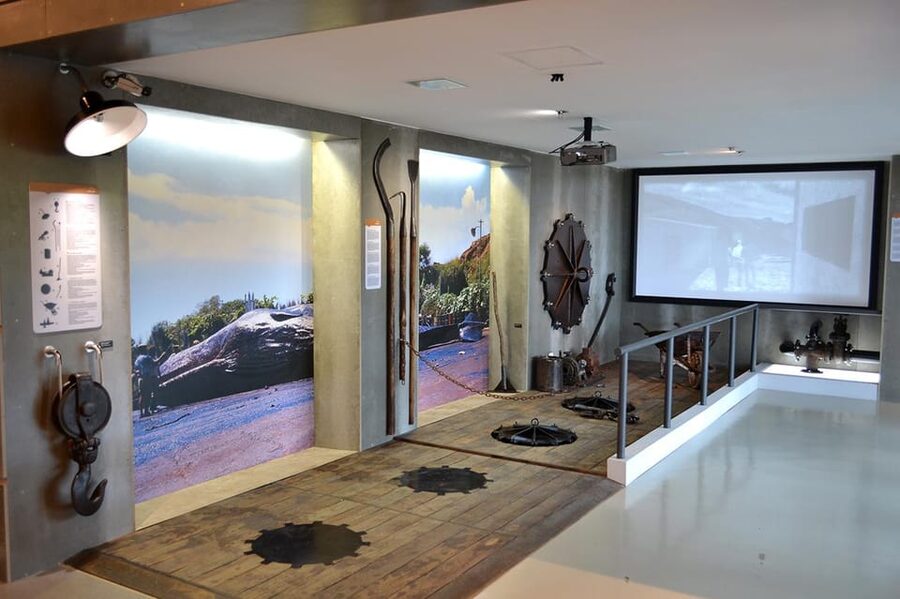
The museum adds modern presentation through vivid stereoscopic 3D films. These films show marine creatures in a more immediate way than a standard screen presentation.
I like this feature because it gives the visit a change of rhythm. The ethnographic displays ask you to read, examine, and think about local history. The 3D films shift your attention toward the animals themselves and the world beneath the surface.
The films also help connect the museum’s conservation work with its public displays. You are not only learning what Madeira’s whaling past looked like. You are being reminded that whales and dolphins remain part of a living marine environment.
The exact film schedule and starting times are not specified, so check availability when you book. The ticket is valid for one day, but that does not mean every element necessarily runs continuously. If a particular screening matters to you, confirm the timing before setting your day around it.
A different sort of day on the same island:
- Madeira: Skywalk, Porto Moniz, Seixal, and Fanal 4WD Tour
★ 4.9 · 5,732 reviews - Funchal: Enchanted Terraces, Porto do Moniz & Fanal 4WD Tour
★ 4.8 · 4,930 reviews - Porto Moniz, Seixal, Fanal Forest, Cliff Skywalk in Open Roof 4X4
★ 5.0 · 3,631 reviews - From Funchal: Best of Madeira’s West Tour
★ 4.7 · 3,463 reviews
An audio guide that lets you choose your pace
Your entry includes an individual audio guide in five languages: English, French, German, Portuguese, and Spanish. This is a practical advantage, especially if you want more explanation than a quick walk through display labels can provide.
An individual device lets you control the pace. You can listen carefully to subjects that interest you, then move along when you feel you have understood a section. That is often easier than staying with a fixed spoken tour.
The audio guide should be useful for visitors who want background on the tools, records, and marine specimens. It can also help you connect the old whaling displays with the museum’s present-day research and conservation work.
There is one small trade-off. Using a device can make a museum visit feel less social if everyone in your group listens separately. If you are visiting with family or friends, you may want to pause now and then to compare what you have heard.
From whaling museum to marine research center
The museum does not keep its attention fixed on the past. It is also involved in scientific research and marine conservation projects concerning Madeira’s sea life.
That current work gives the historical displays a clear purpose. You learn what the relationship between people and whales once looked like, then see why observation, research, and protection matter now. The museum becomes a place for understanding change, not simply preserving old material.
For me, this is one of the strongest reasons to visit. A museum about whaling can easily become a collection of harpoons, photographs, and local memories. Here, the subject reaches into current questions about marine life and the future of Madeira’s waters.
The museum’s conservation message is most effective when you connect it to the physical exhibits. The same ocean that supported local work also supports whales, dolphins, and other marine creatures. The visit encourages you to see those interests together rather than as separate subjects.
What the $11 ticket gives you
At $11 per person, the ticket offers more than basic admission. It includes the museum visit, the temporary exhibition, and an individual audio guide in five languages.
The value depends on what you want from a Caniçal stop. If you only want a quick look at a few whale models, the price may feel less compelling. If you want local history, visual displays, films, and a better understanding of Madeira’s marine conservation work, the ticket covers several layers of content.
The one-day validity also gives you flexibility. You do not need to treat the visit as a tightly timed attraction, though you should check available starting times before booking. The ticket is best for visitors who want to fit the museum into a broader day in the Machico and Caniçal area.
Reduced prices are available directly at the museum for children from 7 to 12 years old and seniors over 65. The supplied details do not give the reduced rates, so ask on the spot rather than assuming a particular price.
Free cancellation is available up to 24 hours before the visit for a full refund. You can also reserve now and pay later, which helps if your Madeira schedule is still changing.
Who will enjoy this museum most
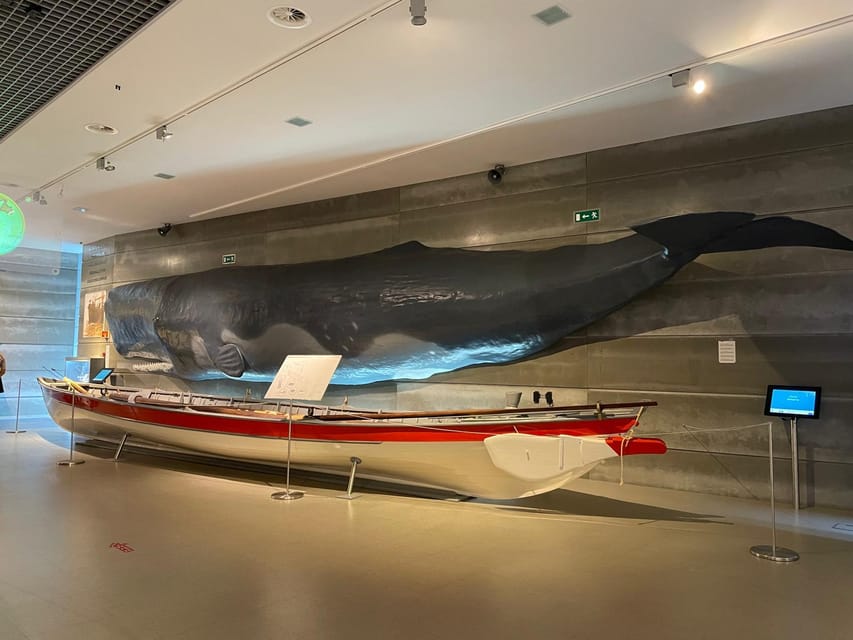
I would recommend the Madeira Whale Museum to anyone interested in the island’s working past, marine wildlife, or conservation. It is also a sensible stop for families because the large animal models and 3D films give younger visitors something immediate to see.
History-minded visitors will get the most from the ethnographic material. Pay attention to the traditional tools, records, and personal recollections rather than treating them as background decoration. These items explain how whaling fitted into local life.
The museum also suits visitors who prefer independent sightseeing. You can use the audio guide, stop when you want, and spend more time with the subjects that matter to you. There is no requirement to keep up with a group leader.
It may be less suitable if you are looking for outdoor scenery, a boat ride, or a direct wildlife encounter. The museum can explain Madeira’s whales and dolphins, but it cannot replace seeing them in the sea.
The venue is wheelchair accessible, making it a practical option for visitors who need an accessible museum setting. Specific details about every gallery feature are not provided, so you may want to confirm any particular access need before arrival.
How to get more from your visit
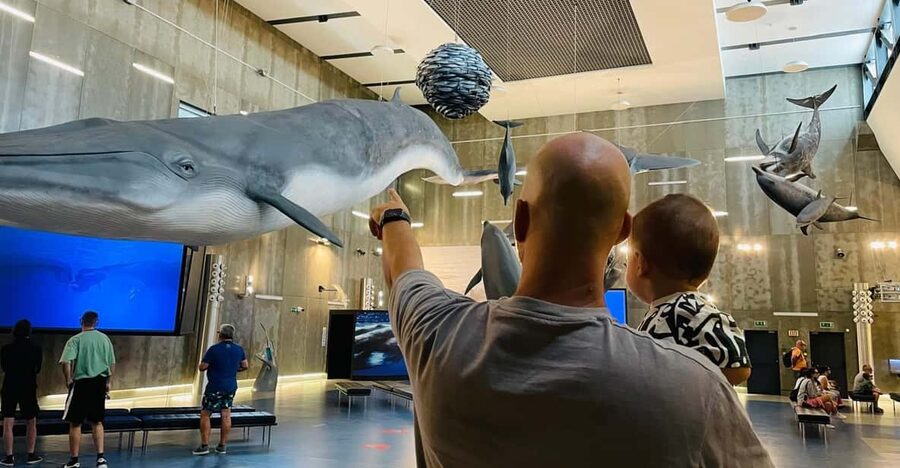
Give the historical displays enough time before moving straight to the large models. The tools and records explain why the museum exists, while the models and films help you understand the animals at the center of the story.
Use the audio guide selectively if you are short on time. Focus on the whaling collection, the marine research work, and the conservation material. Those parts give you the clearest sense of the museum’s full purpose.
If you have children with you, begin with the whale and dolphin models, then use the films to hold their attention before returning to the historical objects. Younger children may connect with the scale and movement first, while older children can better follow the change from whaling to conservation.
Check the available starting times before making firm plans. The ticket is valid for one day, but the information does not state how long a typical visit takes or exactly when each film runs. Leave room in your schedule rather than treating the museum as a timed, minute-by-minute stop.
Should you book the Madeira Whale Museum?
Book it if you want a thoughtful indoor stop that connects Caniçal’s whaling past with the marine life Madeira is working to protect. The $11 price is reasonable for the combination of historical objects, life-size models, 3D films, an audio guide, and a temporary exhibition.
I would especially choose it if you are already visiting the Caniçal or Machico area, traveling with children, or interested in how island communities have depended on the sea. Skip it if your priority is an outdoor whale encounter, since this ticket covers museum entry only.
The best reason to go is the balance. You see what whaling meant to Madeira, then learn why the ocean’s future requires a different approach. That makes the museum more useful than a simple display of large animal replicas.
FAQ
Where is the Madeira Whale Museum?
The museum is in Caniçal, within the municipality of Machico on Madeira, Portugal.
How much does entry cost?
The listed price is $11 per person.
How long is the ticket valid?
The ticket is valid for one day. Check availability for the available starting times.
Is an audio guide included?
Yes. An individual audio guide is included with entry.
Which languages are available for the audio guide?
The audio guide is available in English, French, German, Portuguese, and Spanish.
What does the museum ticket include?
Entry includes access to the Madeira Whale Museum, the individual audio guide, and the temporary exhibition.
Is the museum wheelchair accessible?
Yes, the activity is listed as wheelchair accessible.
Are reduced prices available for children or seniors?
Young students between 7 and 12 years old and seniors over 65 can access reduced prices by booking directly at the museum.
Can I cancel the booking?
Yes. You can cancel up to 24 hours in advance for a full refund.
More Museums in Madeira
- Funchal: 3D Fun Art Museum
★ 4.4 · 182 reviews - 3D Fun Art Museum Funchal
★ 5.0 · 178 reviews - Madeira: Private Cristiano Ronaldo Tour with CR7 Museum
★ 4.9 · 176 reviews - Funchal: Old Town Tuk Tuk Tour with Drop-Off at CR7 Museum
★ 4.9 · 64 reviews
Just added around Madeira
- Madeira: Wine Safari Jeep Tour with Local Guide★ 3.9 · 6 reviews
- Visiting local Vineyard With Wine Tasting & Lunch included★ 5.0 · 6 reviews
- West Tour Porto Moniz★ 4.6 · 26 reviews
- Funchal: Maderia Island Off Road Jeep Tour with Swim Stop★ 5.0 · 11 reviews
- Tuk Tuk Monte Toboggan – Madeira Island★ 4.1 · 4 reviews
- Tuk Tuk Funchal CR7 – Madeira Island★ 4.8 · 4 reviews
- Lakes of Madeira- Alecrim Full day walk★ 4.0 · 9 reviews
- Full Day Open Roof 4×4 Unforgettable Northwest of Madeira★ 5.0 · 22 reviews
Whale and Dolphin Watching in Madeira, compared.
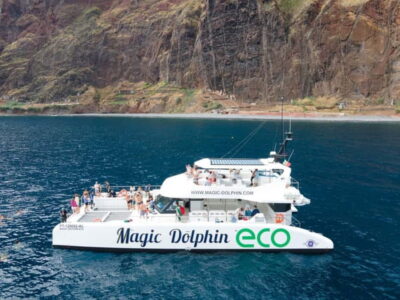

Dolphin & Whale Watch Luxury Catamaran Cruise
Read our review →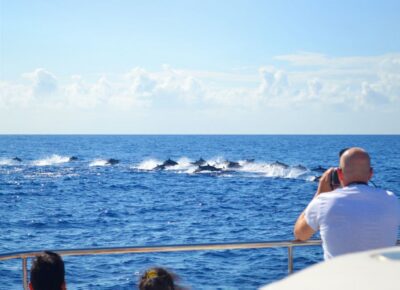
All Inclusive Whale and Dolphin Watching Luxury Tour
Read our review →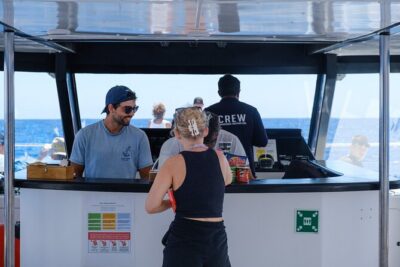
Madeira Dolphin and Whale Watching on a Ecological Catamaran
Read our review →
Dolphin and Whale Watching by Luxury Catamaran
Read our review →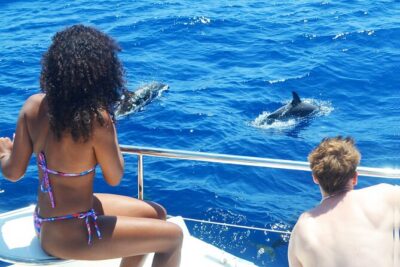
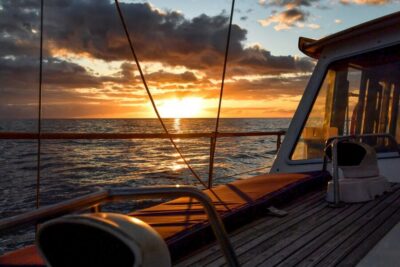
Dolphin and Whale Watching Sunset Sailing Tour
Read our review →Browse the lists this tour appears in