
Reviewed · MADEIRA
Bat Watching Madeira
Madeira’s only native land mammals come out after dark, and this three-hour outing lets you hear them hunt, defend feeding areas, and socialize. You use ultrasound bat detectors and thermal sensors rather than simply waiting for a lucky glimpse.
I like two things here: the group is limited to eight people, and the focus is real field study rather than a standard sightseeing stop. I also like that the tour connects your evening outdoors with bat conservation, giving these easily ignored animals a useful place in your Madeira plans.
The main drawback is that bat watching depends on the night. Wind and humidity can make the animals hard to see, and one outing produced only a few sounds through the detectors. A thermal camera and hot drink were also not available on that occasion, so you should treat the equipment and viewing conditions as part of nature’s gamble.
Key points about Madeira Bat Watching
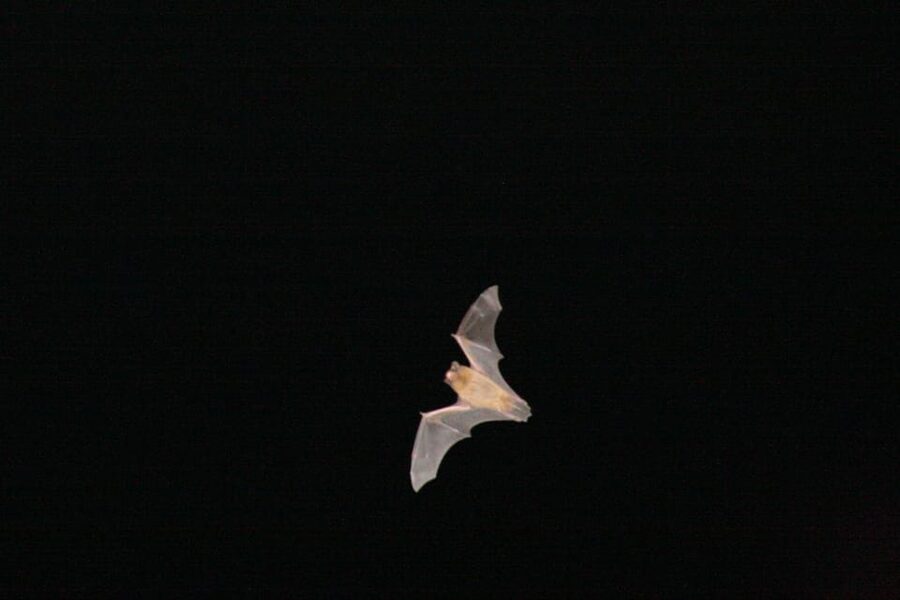
- You may visit three or four observation spots: Moving between locations gives you more chances to hear or see bats in different settings.
- Ultrasound detectors turn invisible calls into evidence: You can listen for bats even when they remain out of sight.
- Thermal cameras may reveal flying mammals in darkness: The equipment is included, though availability can depend on the outing.
- The group stays small: With no more than eight participants, questions are easier and the night feels less crowded.
- Sergio brings specialist experience on some tours: He is described as a bat specialist, professor, and conservation worker.
- Funchal transfers are included: Pickup help is available within the Funchal area, while locations outside it need separate arrangements.
Why this night tour is different
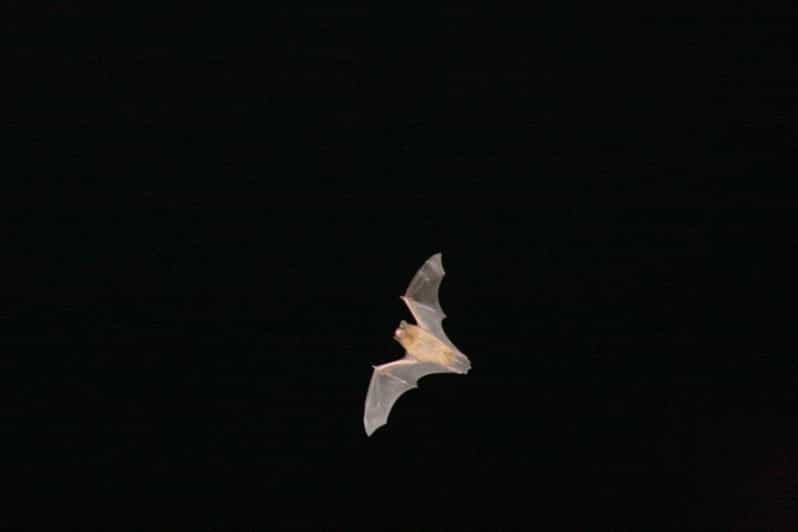
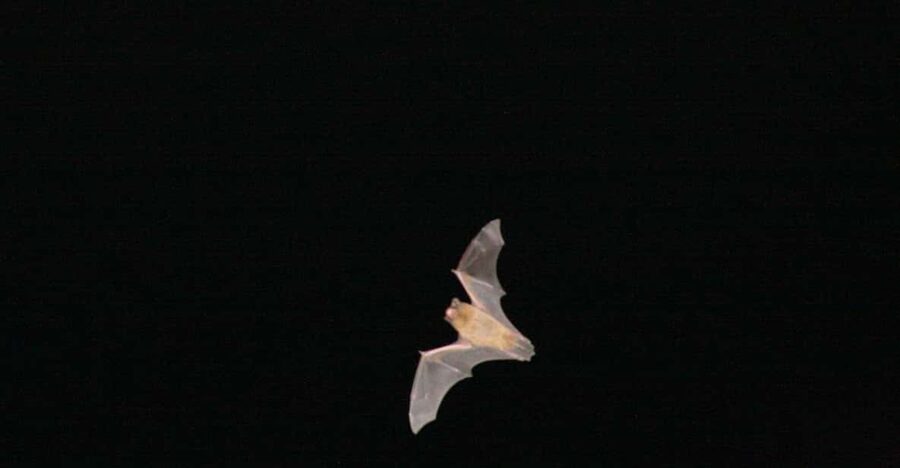
Many Madeira activities point you toward cliffs, levadas, gardens, or sea views. This one asks you to pay attention to what is normally missed. The important action may be a brief shape crossing the sky, a sound converted by a detector, or a lesson about where a species lives and feeds.
That makes the tour a good choice if you enjoy natural science and do not need constant visual action. You are not promised a parade of bats. You are given tools, guidance, and a chance to study animals that are active when most sightseeing has ended.
The experience is run by Madeira Fauna & Flora, with guides speaking English and Portuguese. Sergio is identified as a bat specialist and professor involved in conservation programs, which helps explain the tour’s academic tone. You should expect questions to be welcome and explanations to go beyond simply naming an animal.
Other Madeira days people book alongside this one:
- From Funchal: Ecological Catamaran Dolphin Whale Watching
★ 4.5 · 5,771 reviews - Madeira: Skywalk, Porto Moniz, Seixal, and Fanal 4WD Tour
★ 4.9 · 5,732 reviews - Funchal: Dolphin and Whale Watching Catamaran Cruise
★ 4.5 · 5,697 reviews
Getting started near Funchal
The tour lasts three hours and begins at a time that changes by date, so you need to check the available start time when booking. Since bats are nocturnal, this is a late outing rather than a daytime nature walk. The exact meeting point or pickup plan depends on your location.
Transfers are included within the Funchal area. If you are staying outside Funchal, pickup is not automatic. Contact the operator to see if another meeting point or paid arrangement is possible.
Wear warm clothing, comfortable clothes, and shoes that are easy to walk in. Madeira evenings can feel cool, especially if you are standing still and waiting for activity. The outing does not call for formal hiking gear, but sandals or thin clothing may leave you uncomfortable.
A hot drink is included in the tour details. Still, one account noted that no hot beverage was served, so I would not rely on it as your only way to warm up. Bring an extra layer, particularly if you are sensitive to wind or damp air.
Using detectors to hear what your eyes miss
The bat detector is the most distinctive part of the experience. Bats use sounds beyond the range of human hearing, and the detector helps you listen to those calls. Instead of watching an empty patch of sky, you can take part in the search by responding to sounds and learning what they may indicate.
This also gives children a practical role. They are not just standing beside an adult with binoculars. They can help monitor the equipment, listen for signals, and connect the sounds with the bat’s behavior. A seven-year-old and a nine-year-old both enjoyed the outing on one occasion, although the late hour is worth considering for young children.
You may learn how different bats use different places and what they eat. The tour also covers where the species live, how they hunt, and how they defend feeding areas. These details help explain why conservation matters. A small flying animal can have a very specific habitat and feeding pattern, even if you rarely notice it.
The guide supplies observation materials, images, and information about the species. That makes the evening more than a casual walk with a few facts added along the way. You are given a way to record what is happening and a framework for understanding it.
Moving between three or four sites
Do not expect to spend the entire three hours in one fixed spot. One outing visited three or four locations, which is useful because bat activity may change from place to place. Moving around also gives the guide a better chance to show how habitat affects behavior.
Each stop may offer a different kind of success. At one place, you might hear bats clearly through the detectors. At another, you might catch a fleeting shape or use thermal equipment to look for heat signatures. At another, the guide may spend more time explaining the animals than observing them.
This variety is valuable, but it also means the experience has a stop and start rhythm. You may spend time waiting, listening, and relocating instead of receiving a constant stream of sightings. That is normal for wildlife watching and should be part of your expectations.
Weather matters. Wind and humidity can reduce your chances of seeing bats, and poor conditions may make the evening feel less pleasant. One outing produced only a couple of audible detections and no visible bats. If you need guaranteed wildlife sightings, this is not the right activity. If you enjoy the process of looking and listening, the uncertainty is part of the appeal.
A different sort of day on the same island:
- Funchal: Enchanted Terraces, Porto do Moniz & Fanal 4WD Tour
★ 4.8 · 4,930 reviews - Porto Moniz, Seixal, Fanal Forest, Cliff Skywalk in Open Roof 4X4
★ 5.0 · 3,631 reviews - From Funchal: Best of Madeira’s West Tour
★ 4.7 · 3,463 reviews - Madeira: Best of the East Tour from Funchal
★ 4.7 · 3,364 reviews
Thermal cameras and the limits of the equipment
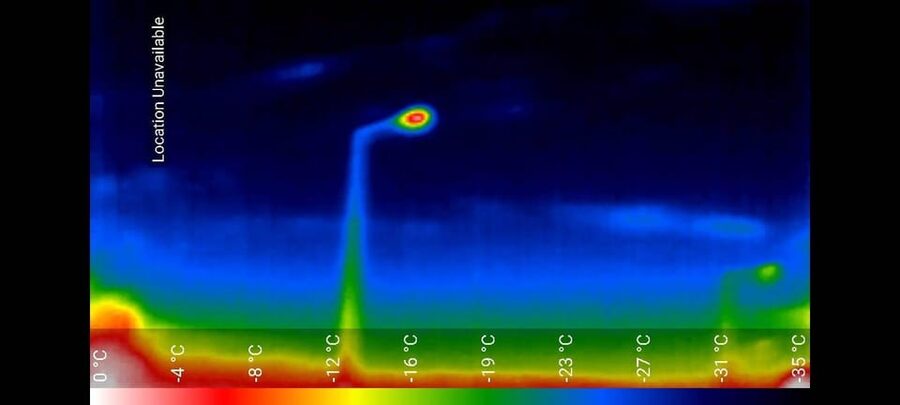
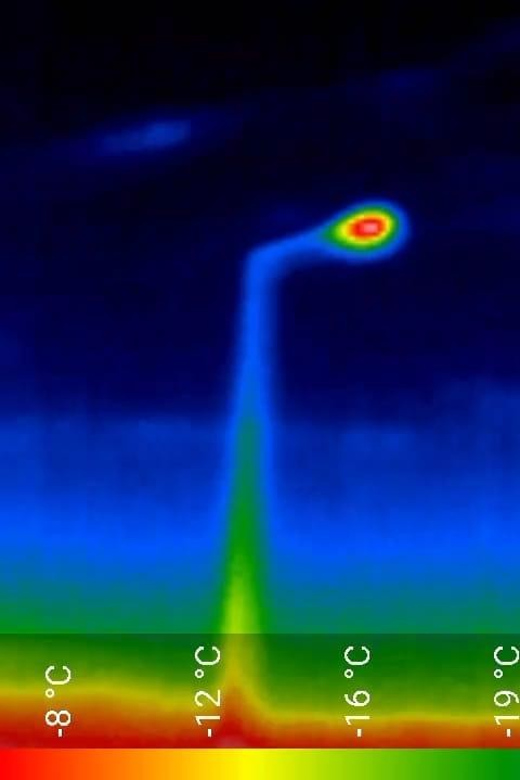
Thermal sensors are meant to help locate warm-bodied animals in the dark. In theory, that can turn a hard-to-see flying bat into a moving signal on the screen. It is an excellent fit for a tour built around animals that are active at night and often too quick or distant for the naked eye.
The equipment is listed among the observation materials included with the experience. However, one participant reported that a thermal camera was not used. That could reflect conditions, equipment availability, or the way that particular outing unfolded, but you should not book this expecting uninterrupted access to every tool.
The same point applies to the hot drink. It is included in the tour information, yet one outing did not provide one. Carrying your own water and an extra warm layer is sensible. You can enjoy the science without depending on a particular comfort item.
The ultrasound detectors are the core tool and seem to be central to the activity. Even when bats remain invisible, the detectors can provide evidence that they are nearby. For many people, hearing these animals for the first time will be more memorable than seeing a quick silhouette.
A conservation lesson with a local purpose
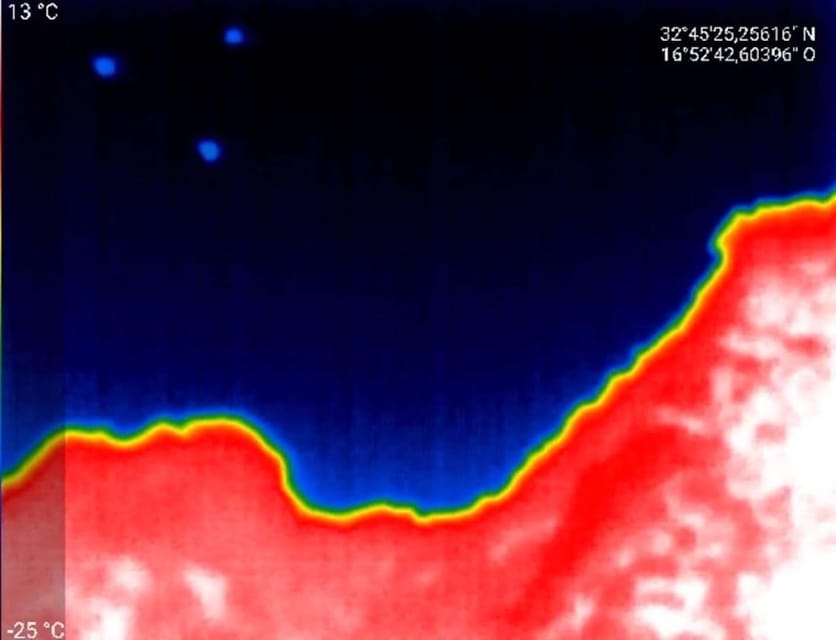
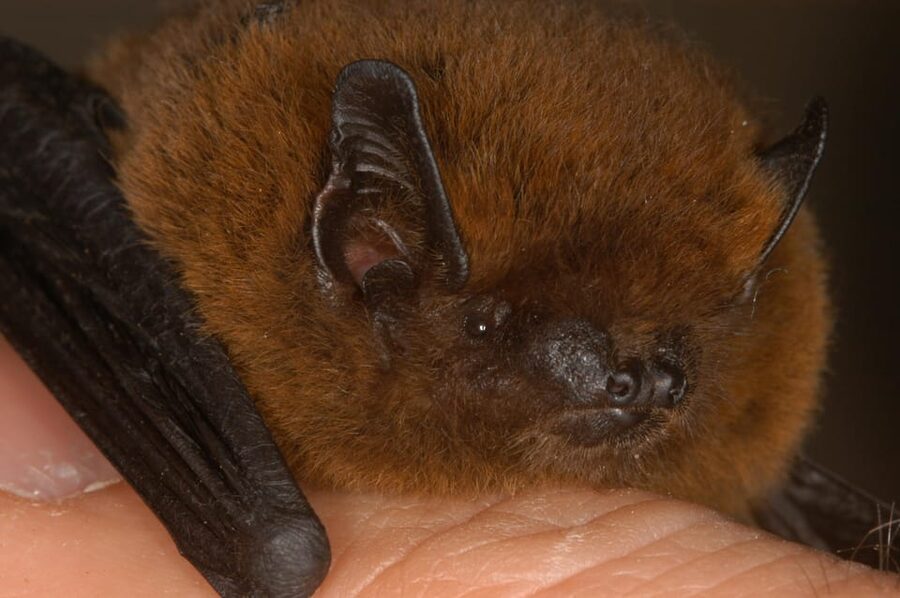
Madeira’s bats are described as exclusive native species and the island’s only native land mammals. That gives the tour a clear local purpose. You are not receiving a general talk about bats from around the world. You are learning about animals connected to this island and the pressures faced by endangered species.
The conservation message works best because it is tied to direct observation. You hear the calls, consider the animals’ feeding habits, and learn how their living areas affect their survival. You can then understand why protecting dark, suitable habitat matters.
The experience also supports a different kind of Madeira tourism. Instead of adding pressure to a busy daytime site, you spend an evening with a small group and a naturalist guide. The group size keeps the outing focused and gives you more room to ask questions.
You should not expect to take part in formal scientific research. The phrase bat scientist is used in the sense of learning field methods and helping observe the animals. Still, the detectors and thermal equipment give you a hands-on role, which is far more engaging than listening to a lecture indoors.
Who will enjoy the three-hour outing
I would recommend this for adults and older children who like animals, science, and unusual evening activities. It suits families who want something beyond the usual Madeira viewpoints, as well as visitors who already have daytime plans and want to use the night for something different.
The small group is useful for people who ask questions or prefer a quieter activity. English and Portuguese are available, and the guide’s specialist background can make the explanations more detailed than a general nature walk.
This is less suitable if you dislike waiting outdoors, feel uncomfortable in damp or windy weather, or need guaranteed sightings. It may also be tiring for very young children because the outing runs late and lasts three hours.
Bring warm clothing even if the day feels mild. Comfortable shoes matter because you may move between locations. Alcohol and drugs are not allowed, which is standard for a guided outdoor activity but worth noting if you are planning a long evening with several stops.
Is $47 a fair price?
At $47 per person, the value depends on what you want from a night tour. You are paying for three hours with a naturalist guide, a small group capped at eight, observation equipment, species information, a hot beverage listed as included, and Funchal-area transfers.
That is a reasonable package if you value expert interpretation and hands-on tools. The price is harder to justify if you are mainly paying for a guaranteed sighting, since bats may be difficult to see and weather can limit activity.
The included transfer is especially useful if you do not have a car or prefer not to navigate unfamiliar roads at night. It also removes some of the hassle from an activity that may visit several locations. For those staying in Funchal, that practical help improves the value.
The rating is 4.6 from three reviews, so the score points in a positive direction but is based on a very small sample. I would pay more attention to the nature of the activity itself: it is educational, weather-dependent, and built around careful observation rather than spectacle.
Booking, cancellation, and planning tips
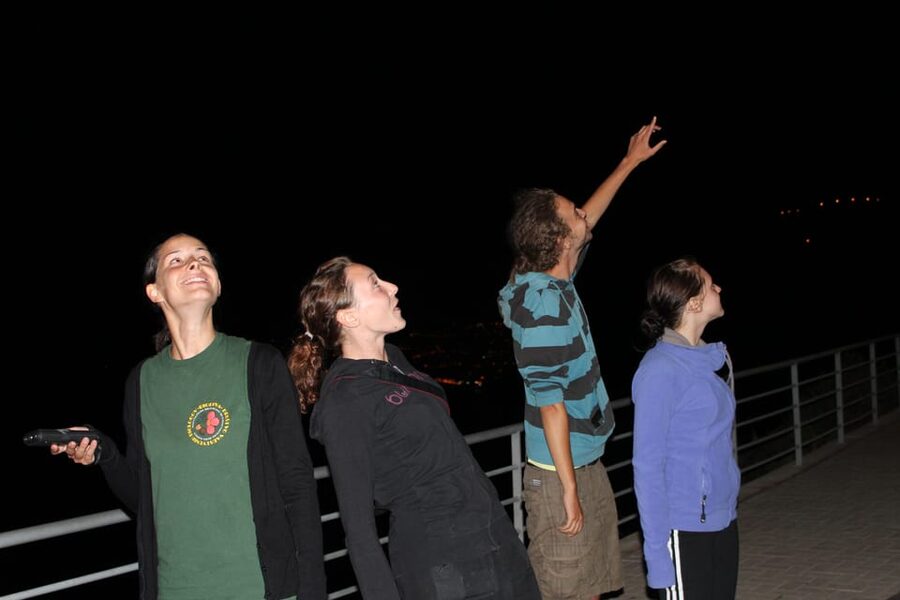
You can cancel up to 24 hours before the activity for a full refund. The reserve-now, pay-later option also keeps your plans flexible, which is useful when you are watching the forecast for wind and damp conditions.
Check the starting time before you commit, since availability changes by date. If you are outside Funchal, contact Madeira Fauna & Flora before booking so you know if pickup can be arranged.
I would place this tour early in your Madeira schedule if you are especially interested in bats. That gives you room to adjust if poor weather affects your plans. I would also avoid booking it immediately before an early morning hike, since the three-hour outing runs at night.
Should you book Madeira Bat Watching?
Book it if you want a small, unusual, science-focused experience and are happy to trade certainty for discovery. The combination of ultrasound detectors, local bat information, several possible observation sites, and a conservation message gives the evening real substance.
Skip it if you need bright scenery, a relaxed early finish, or guaranteed animal sightings. The most rewarding parts may be sounds and explanations rather than clear views, and equipment or refreshments may not be available exactly as expected.
For curious families, wildlife fans, and repeat visitors looking for something beyond Madeira’s usual daytime sights, I think $47 is a fair price. Bring warm clothes, keep your expectations flexible, and let the night unfold at its own pace.
FAQ
How long does Madeira Bat Watching last?
The tour lasts three hours.
How much does the experience cost?
The listed price is $47 per person.
Where does the tour take place?
The activity takes place in Madeira, with hotel and cruise transfers available within the Funchal area.
What languages does the guide speak?
The live guide speaks English and Portuguese.
How many people can join the group?
The group is limited to eight participants.
Is bat-watching equipment included?
Observation materials, ultrasound bat detectors, and thermal sensors are included in the tour information. Equipment availability may vary, as one outing did not use a thermal camera.
What should I bring?
Bring comfortable shoes, comfortable clothing, and warm clothing.
Can I cancel for a refund?
Yes. You can cancel up to 24 hours in advance for a full refund.
Just added around Madeira
- Madeira: Wine Safari Jeep Tour with Local Guide★ 3.9 · 6 reviews
- Visiting local Vineyard With Wine Tasting & Lunch included★ 5.0 · 6 reviews
- West Tour Porto Moniz★ 4.6 · 26 reviews
- Funchal: Maderia Island Off Road Jeep Tour with Swim Stop★ 5.0 · 11 reviews
- Tuk Tuk Monte Toboggan – Madeira Island★ 4.1 · 4 reviews
- Tuk Tuk Funchal CR7 – Madeira Island★ 4.8 · 4 reviews
- Lakes of Madeira- Alecrim Full day walk★ 4.0 · 9 reviews
- Full Day Open Roof 4×4 Unforgettable Northwest of Madeira★ 5.0 · 22 reviews